


Where To Research Broken Door Repair Online
페이지 정보

본문
Understanding Broken Door Repair: A Comprehensive Guide
A broken door can be a significant trouble, whether it's a malfunctioning interior composite door replacement in your home or a more significant entrance that protects your service. Understanding the mechanics of door repair is essential for house owners and company owners alike. This guide will look into some common issues related to broken doors, how to address them, and when to consider professional help.
Common Types of Door Problems
Before we go over repair approaches, it is vital to identify the common types of door problems. Below is a table that details typical problems, their potential causes, and suggested solutions.
| Door Problem | Possible Causes | Suggested Solutions |
|---|---|---|
| Drooping Door | Loose hinges, warping due to humidity | Tighten or replace hinges, change the door jamb |
| Sticking Door | Swelling from wetness, misalignment | Sand down edges, change hinges, or realign the door |
| Broken Lock | Worn-out mechanism, rust, or damage | Clean and lubricate, replace the whole lock or key |
| Split Door | Impact damage, age-related wear | Fill cracks with wood filler, replace the door if serious |
| Scratched Surface | Family pets, furnishings, or rough handling | Sand and repaint, use touch-up packages |
| Squeaky Door | Absence of lubrication | Apply lubricant to hinges or replace hinges if damaged |
| Broken Glass Pane | Effect or severe weather condition modifications | Change the glass, think about security glass choices |
Step-by-Step Guide to Door Repair
Now that we have identified some common concerns, let's delve into how to repair a broken door step-by-step.
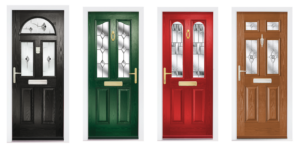
Tools and Materials Needed
- Screwdriver
- Hammer
- Wood filler
- Sandpaper
- Paint or wood stain
- Lubricant (WD-40 or similar)
- Replacement parts (hinges, locks, glass)
Repair Process
- Assess the Damage: Before any repair, assess the level of the door's damage. Is it a minor fix, or does it require a complete replacement?
- Tightening Hinges: If the door is drooping, begin by tightening screws on the hinges. If screws are stripped, consider using longer screws or adding wood filler for a more secure fit.
- Realigning the certified composite door repair: If a door doesn't close properly, it may need realignment. This can frequently be accomplished by loosening the hinge screws and changing the door's position.
- Fixing Cracks and Scratches: Use wood filler to fill in fractures and sand down any scratched areas. As soon as dry, re-paint or stain for a seamless finish.
- Lock Replacement: For malfunctioning locks, disassemble the lock utilizing a screwdriver, then replace it with a new one by following the manufacturer's instructions.
- Glass Pane Replacement: If the door has a broken glass pane, carefully remove the old glass and change it with a new one. Ensure it's firmly secured and think about adding weather condition stripping to improve insulation.
FAQs about Broken Door Repair
Q: How do I understand if my door needs to be changed rather than repaired?A: If the damage is structural (like severe warping or comprehensive cracks), if the door doesn't fit in its frame any longer, or if repairs go beyond the expense of a brand-new composite door repair crew, it may be time to change it. Q: Can I repair a broken door myself?A: Many minor repairs
can be done by homeowners with basic tools and abilities. However, for significant concerns, like frame damage or complex lock systems, seeking advice from a professional is a good idea. Q: How frequently must I maintain my doors?A: Regular maintenance, including lubrication of hinges and look for warping, should be carried out at least two times a year
. Q: What kind of paint ought to I use for door repairs?A: Use exterior-grade paint for outside doors and interior-grade paint for internal doors
. Ensure the paint is suitable with the composite door expert door maintenance service [stitchnation14.bravejournal.Net] product(wood, fiberglass, etc). Q: How can I prevent my door from sticking in the future?A: Ensure correct ventilation in locations with high humidity, use a dehumidifier if
required, and routinely look for positioning problems. Preventative Measures for Door Longevity While repairs are often needed, constant preventative maintenance can extend your door's life and functionality.
Here is a list of tips to prevent future issues: Routine Inspections: Regularly check hinges, locks, and overall composite double door repair positioning. Lubrication: Apply lube to hinges every few months to avoid squeaking and rust. Weatherproofing:
Add weather removingto improve insulation and reduce wetness absorption. Prevent Moisture Exposure: Keep doors far from direct water direct exposure, particularly wooden ones.Proper Handling: Ensure family members or workers know how to operate doors effectively to avoid unneededforce or impact. A brokendoor can interrupt the comfort and security of your home or service.Understanding typical door issues and knowing how to address them is vital. With appropriate tools, patience, and some effort, numerous repairs canbe made by homeowners. For more substantial problems, don't think twice to call a professional. Routine maintenance will guarantee your doors not just look good but work well for many years to come.
- 이전글Ten Cheap Cots That Really Help You Live Better 26.03.14
- 다음글5 Laws That Anyone Working In 30' Container Should Know 26.03.14
댓글목록
등록된 댓글이 없습니다.