


The 10 Scariest Things About Buy Real Counterfeit Money
페이지 정보

본문
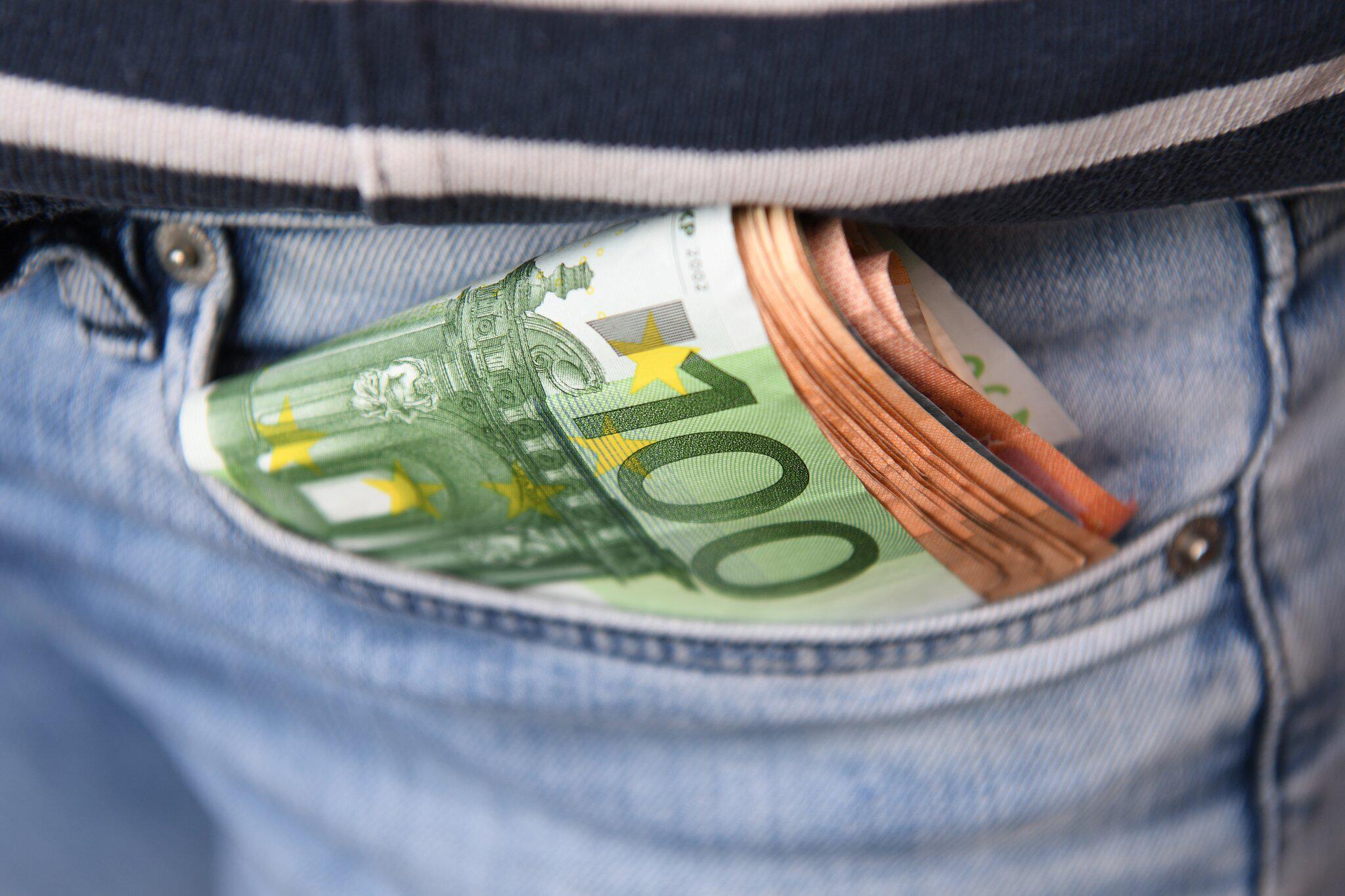
Understanding Counterfeit Money: What You Need to Know
Counterfeit money is a term that brings a variety of ramifications, typically leading to legal problems, monetary disaster, and ethical dilemmas. Nevertheless, the growing interest in counterfeit money, especially searching for "Buy Real Counterfeit Money (https://www.valentinestarkman.top) counterfeit money," has actually provided rise to a detailed landscape where interest fulfills caution.
In this post, we will check out the ins and outs of counterfeit money, its real and unsafe implications, methods of defense against it, and identify between fake and real currency. We will also examine typical mistaken beliefs and answer FAQs that surround this typically misconstrued subject.
What is Counterfeit Money?
Counterfeit money refers to fake currency that is produced to imitate real money and mislead people into thinking it is legitimate. It is usually printed with the intent to be utilized as if it were genuine, ultimately hurting society by devaluing the currency and frequently resulting in serious legal effects for both the producers and users.
The Statistics of Counterfeiting
Before diving deeper, let's have a look at some statistics regarding counterfeit money:
| Year | Quantity Seized by Law Enforcement | Notable Cases |
|---|---|---|
| 2018 | ₤ 97.9 Million | Operation Aegean |
| 2019 | ₤ 113.8 Million | Operation Money Maker |
| 2020 | ₤ 147.6 Million | Operation Coin Drop |
| 2021 | ₤ 178.6 Million | Operation Paper Trail |
| 2022 | ₤ 205.5 Million | Operation Blue Sky |
| 2023 | ₤ 220.3 Million (to date) | Operation Paperweight |
The Payment Evolution
Over the years, payment techniques have developed substantially. With cash still being a feasible mode of exchange, banks and the government have taken stringent measures to prevent counterfeiting. Here's a short timeline of currency evolution that shows this:
| Year | Occasion |
|---|---|
| 1861 | First U.S. paper currency provided |
| 1929 | Modern U.S. currency style introduced |
| 1996 | Introduction of the ₤ 100 note with sophisticated security functions |
| 2004 | New ₤ 20, ₤ 50, and ₤ 100 notes launched with improved security |
| 2020 | Upgraded ₤ 10 note announced |
The Dangers of Counterfeiting
It's important to acknowledge that engaging with counterfeit money is illegal. The following points summarize the risks:

- Legal Consequences: Using and even possessing counterfeit money can result in criminal charges, fines, and jail time.
- Financial Loss: Businesses that accept counterfeit bills may incur financial hardships, especially if the counterfeit is not discovered until after the transaction.
- Trust Erosion: Counterfeiting can cause a general mistrust in currency, impacting economic stability at both regional and nationwide levels.
How to Identify Counterfeit Money
Awareness of how to identify counterfeit money can be useful for both consumers and organizations. Here are some standard security features to search for:
Key Features of Authentic Currency
| Feature | Description |
|---|---|
| Watermark | A watermark should be visible when held up to the light. |
| Security Thread | A thin strip embedded in the note that can be seen when held up to the light. |
| Color-Shifting Ink | The ink utilized for specific designs may alter color when viewed from various angles. |
| Microprinting | Tiny text that should be readable only under zoom. |
| UV Features | Specific features might only be noticeable under ultraviolet light. |
Counterfeit Detection Tools
To help in determining counterfeit currency, businesses might employ various tools:
- UV Light Scanner: Helps in recognizing UV features.
- Pen Test: An unique pen can be utilized to test the ink on the expense.
- Magnifying Glass: Useful for inspecting microprinting.
The Ethical Consideration
Counterfeit money doesn't simply produce legal problems; it raises ethical questions about stability, trust, and the responsibilities of people within society. Comprehending the darker implications not just limits the chances of engagement with counterfeit bills but assists cultivate a more credible neighborhood.
Frequently Asked Questions About Counterfeit Money
Q1: What should I do if I get counterfeit money?
If you find counterfeit money, do not attempt to utilize it. Rather, report it to your local law enforcement company.
Q2: Can I be apprehended for unwittingly using counterfeit money?
Yes, while intent matters, individuals can still deal with legal repercussions for investing counterfeit money, as a lack of proof showing intent may result in complications.
Q3: Are there any safe ways to buy or sell collectible counterfeit money?
While some collectors may have an interest in historical reproductions or collectible "play" money, guarantee that all transactions comply with regional laws. Always divulge that the items are imitations.
Q4: What are the charges for counterfeiting money?
Charges can consist of fines, restitution, and imprisonment. The intensity depends on the scale of the operation and local laws.
Q5: How can businesses secure themselves versus counterfeit bills?
Organizations can employ cash-handling treatments, train employees on how to determine counterfeit currency, and utilize detection tools frequently.
Buying or even thinking about counterfeit money, despite the motivations or means, is a slippery slope towards legal implications and ethical dilemmas. Informing oneself about the subtleties of currency, the indications of counterfeiting, and the potential consequences can guarantee not just personal security but also add to a credible financial environment.
Eventually, understanding the characteristics of counterfeit money is important in a society that relies so greatly on the integrity of its currency. By acknowledging the signs and effects, consumers and services alike can secure themselves against the perils of counterfeit money.
- 이전글What's The Job Market For Bunk Beds Sale Professionals? 26.03.12
- 다음글24-Hours To Improve U Sectional Sofa 26.03.12
댓글목록
등록된 댓글이 없습니다.