

The 9 Things Your Parents Teach You About Official Goethe B1 Certifica…
페이지 정보

본문
The Official Goethe B1 Certificate: A Comprehensive Guide
In a significantly interconnected world, the ability to interact in different languages has ended up being an important possession. For German, the Goethe B1 Certificate sticks out as a considerable benchmark for language efficiency, opening doors to education, employment, and cultural experiences. This post intends to offer an extensive understanding of the Goethe B1 Certificate, its significance, structure, and how to prepare for the exam.
What is the Goethe B1 Certificate?
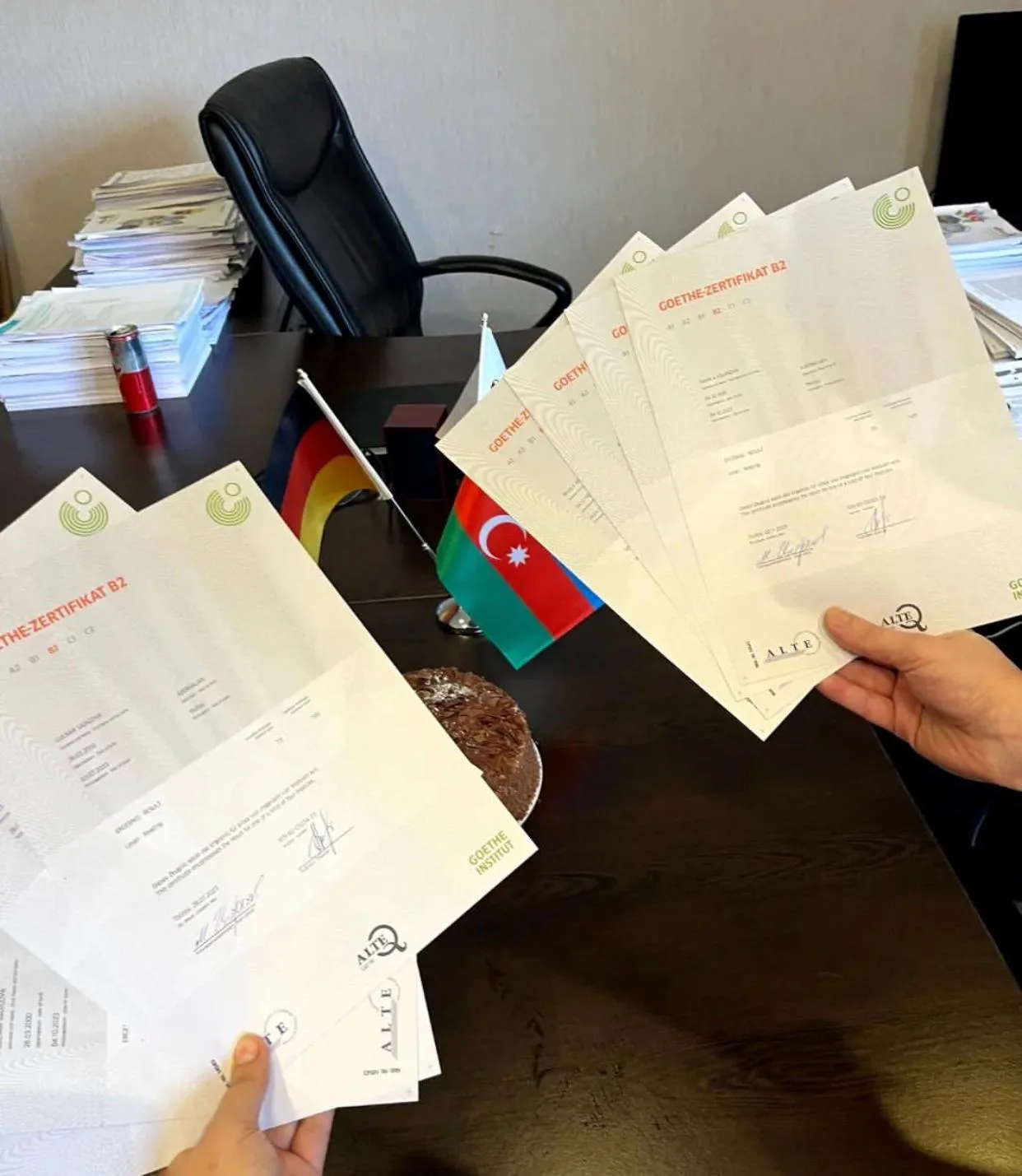
The Goethe B1 Certificate, granted by the Goethe Institute, is an internationally acknowledged qualification that licenses a person's proficiency in the German language at the B1 level according to the Common European Framework of Reference for Languages (CEFR). Accomplishing this certificate demonstrates that a person can:
- Understand the bottom lines of clear standard input on familiar matters.
- Handle the majority of scenarios likely to arise while traveling in a German-speaking location.
- Produce simple connected text on subjects that recognize or of personal interest.
- Explain experiences, events, dreams, and aspirations, as well as briefly explain reasons and opinions.
Why is the Goethe B1 Certificate Important?
The Goethe B1 Certificate holds considerable worth for various factors:
| Reason | Description |
|---|---|
| Educational Opportunities | Many German universities need proof of B1 or higher proficiency for global trainees. |
| Employment Prospects | Knowledge of German can improve job prospects in German-speaking countries or companies running in Germany. |
| Cultural Integration | Assists individuals engage with the culture and people of German-speaking countries, fostering a deeper understanding. |
| Individual Satisfaction | Acquiring this certificate can be a motivating objective for language students, marking a significant accomplishment. |
Structure of the Goethe B1 Exam
The Goethe B1 Exam comprises 4 parts: Listening, Reading, Writing, and Speaking. Each area is developed to examine different language skills and is necessary for evaluating an individual's total proficiency.
Breakdown of Exam Components
| Component | Duration | Description | Scoring |
|---|---|---|---|
| Listening | 35 minutes | Makes up different audio clips including daily dialogue, statements, and discussions. | 25 points |
| Checking out | 65 minutes | Includes reading understanding jobs, including understanding texts from advertisements, short articles, and pamphlets. | 25 points |
| Writing | 45 minutes | Candidates complete a composed job, such as writing a letter or an e-mail. | 25 points |
| Speaking | 15 minutes | A structured conversation and conversation with an examiner that assesses speaking ability through discussion and questions. | 25 points |
Overall Scoring
The total rating for the Goethe B1 Certificate runs out 100 points. A minimum rating of 60 points is needed to pass.
Preparation for the Goethe B1 Exam
Effective preparation for the Goethe B1 exam is crucial to accomplishing an effective outcome. Here are some necessary pointers and resources to think about:
Recommended Study Materials
Books
- "Mit Erfolg zu telc Deutsch B1"-- A detailed guide with practice exams and exercises.
- "B1 - Schritte International"-- A well-structured technique to learning necessary vocabulary and grammar.
Online Resources
- Authorities Goethe Institute site - Provides sample documents and resources for each exam part.
- Duolingo or Babbel - Language apps that use exercises tailored to different efficiency levels.
Language Courses
- Enlist in a B1 preparation course at a local language school or online. This will offer structured knowing and access to knowledgeable trainers.
Research study Tips
- Practice Regularly: Dedicate a particular amount of time day-to-day to studying, focusing on each language skill.
- Take Mock Exams: Simulate exam conditions to acquaint yourself with the format and timing of the real test.
- Engage with Native Speakers: Join language exchange programs or discussion clubs to improve speaking abilities in real-world circumstances.
- Immerse Yourself: Consume German media, such as films, music, podcasts, and books, to better understand language and cultural contexts.
Frequently Asked Questions (FAQ)
1. For how long does it require to prepare for the Official Goethe B1 Certificate B1 exam?
The preparation time can vary greatly amongst individuals. Nevertheless, on average, learners may require 300-400 hours of study to reach B1 proficiency.
2. What is the validity of the Goethe B1 Certificate?
The Goethe B1 Certificate does not end, making it an irreversible proof of language efficiency unless language skills decline with time.
3. Can I take the exam online?
Yes, the Goethe Institute offers online exams for some locations, however it's vital to verify availability based on your region.
4. What is the cost of taking the exam?
The cost of the Goethe B1 exam depends upon the testing center. On average, it varies from EUR150 to EUR200.
5. What should I do if I don't pass the exam?
If the prospect does not pass, they can retake the exam on a later date. It is necessary to examine errors and enhance upon weak points before retaking it.
The Goethe B1 Certificate is a vital qualification for anybody aiming to prove their German language proficiency. It serves as a gateway to academic and profession opportunities while enhancing individual experiences in German-speaking areas. With diligent preparation, the ideal resources, and a dedication to enhancing language abilities, achieving the Goethe B1 Certificate is an attainable goal that can significantly impact one's life. Whether for professional goals, scholastic pursuits, or personal growth, mastering the German language at the B1 level opens different avenues for success.
- 이전글See What Authentic Fake Money For Sale Tricks The Celebs Are Using 26.03.09
- 다음글5. Polish License Application Projects For Any Budget 26.03.09
댓글목록
등록된 댓글이 없습니다.